
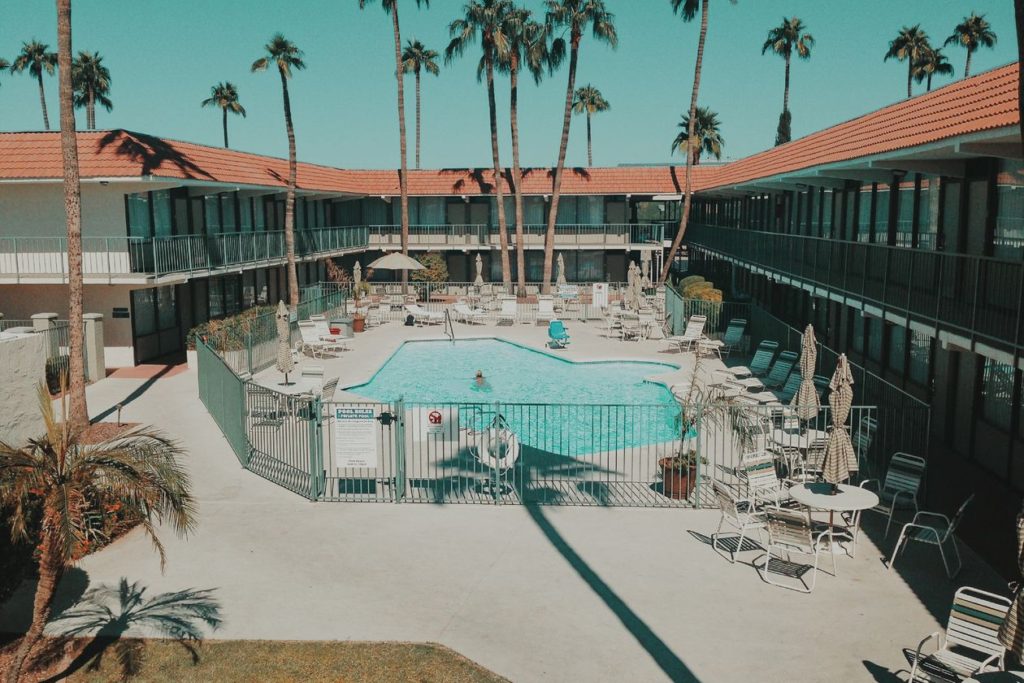
Investors are buying hotels and turning them into rental apartments, in the latest sign of how the Covid-19 pandemic is changing the American real estate market. These buyers are trying to take advantage of the hospitality industry’s crisis by taking over struggling or foreclosed properties at bargain prices.
“We consider ourselves a building recycling company,” said Dan Norville, president of Vivo Living. The company converted its first hotel into apartments in late 2019 with the former Bigelow hotel in Ogden, Utah. Since the pandemic, Vivo has added three more hotel conversion projects.
Many of the properties Vivo is looking at are older motels with open-air corridors and staircases shunned by big hotel brands. “There are so many of these exterior-corridor motels throughout the U.S., and it’s a functionally obsolete product type for the hotel industry,” Norville said.
Elan Gordon, principal of SHIR Capital, which has converted hotels into hundreds of apartments in South Carolina and Texas, said the business plan works best in markets where the price of studios in new buildings has crept over the $1,000 a month mark. Hotel-room-sized studios can compete with those apartments with a 20% discount on rents.
“We are working within the market circumstances to kind of solve an affordable housing problem, even though it’s not our business plan to create affordable housing,” Mr. Gordon said.
Extended-stay hotels are ideal for creating cheaper apartments because while they typically measure smaller than the average apartment, they already have bathrooms and kitchenettes built into them. More conventional hotels need a more expensive rebuild, but even that often takes less than a year and is much faster than building from the ground up.
Austin has been a particularly hot market for converters. The city has an average rent of about $1,500 a month, a level that makes it difficult for many young professionals to have places of their own. SHIR Capital’s Hedge Apartments offered studios at $700 a month — much cheaper than typical apartments in the neighborhood.